← All posts
September 1, 2026
Off-the-Shelf or Custom Software? Here's How to Actually Decide
Every software vendor wants you to believe their tool fits your business, and every developer wants to believe you need something built from scratch. Here's a straightforward way to figure out which one you actually need.
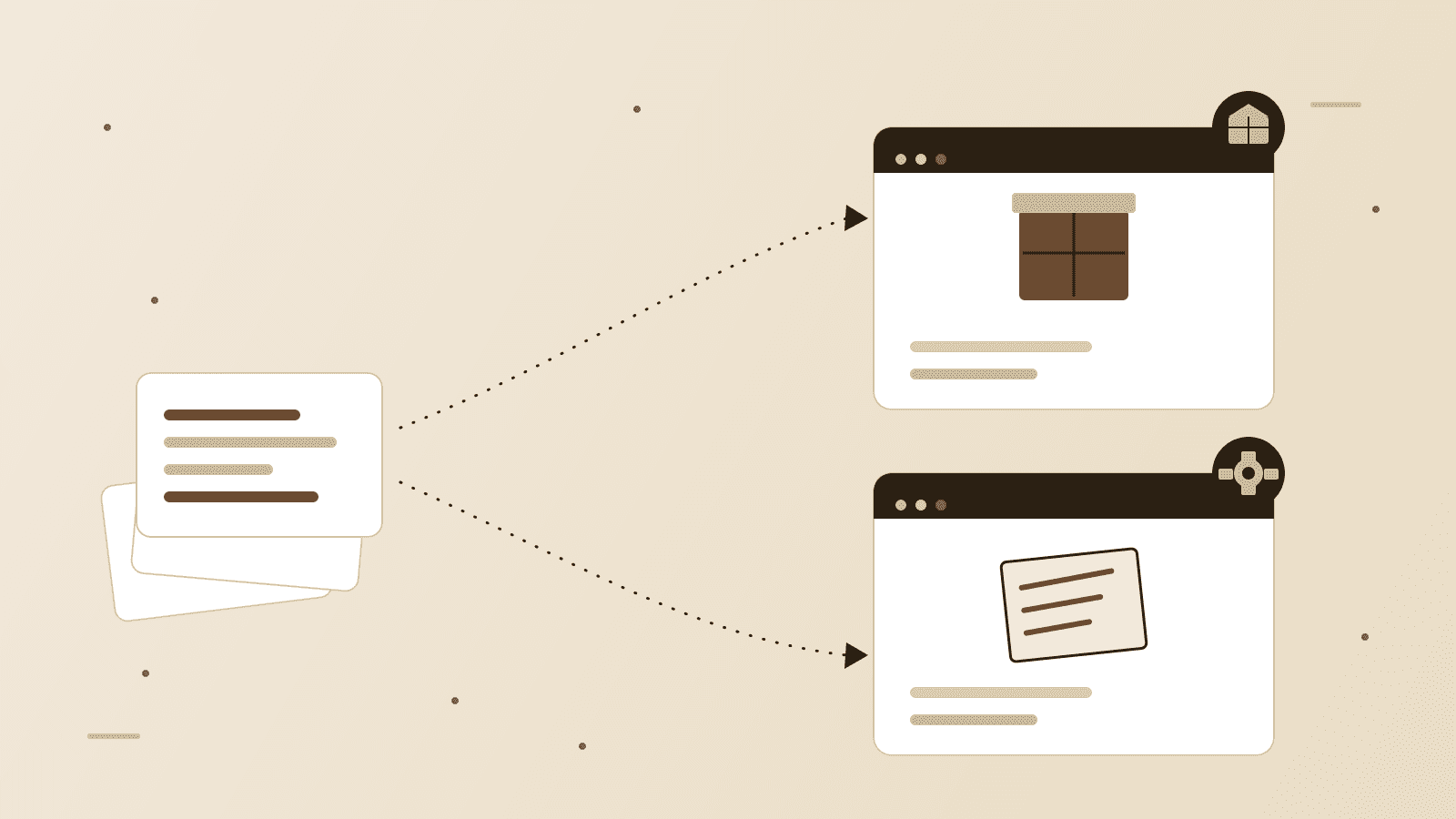
Somewhere around the tenth spreadsheet workaround, most small business owners ask the same question: buy some software for this, or pay someone to build something custom? The honest answer is that neither option is automatically better, and most of the advice floating around online is written by someone trying to sell you one of the two.
Off-the-shelf software exists because most business problems aren't unique. Invoicing, scheduling, basic CRM work, email marketing — thousands of companies need the same thing, and someone has already built a decent tool for it. Buying that tool is almost always cheaper and faster than building an equivalent from scratch, and it comes with someone else's team fixing bugs and shipping improvements on their own dime, indefinitely.
Custom software exists because sometimes the way a business actually works doesn't fit any of those tools, and forcing it to fit costs more in workarounds over time than building the real thing would have cost in the first place.
The mistake is picking a side before checking which situation you're actually in. Here's how to check.
1. Count the workarounds, not the features. If you already own off-the-shelf software and find yourself exporting to a spreadsheet every week to make it do what you actually need, that spreadsheet is the real requirement. A tool that needs a shadow system running next to it to function isn't doing the job, no matter how many boxes it checks on a comparison page.
2. Ask whether the process is actually unique, or just unusual to you. A lot of "our business is different" turns out to be "our business does this the way most businesses in our industry do it, and generic software wasn't built with our industry in mind." That's usually solved by an industry-specific tool, not a custom build. Genuine uniqueness is rarer than it feels from the inside.
3. Price out the ongoing cost of each path, not just the number on the pricing page. Off-the-shelf software carries a subscription that scales with usage or seats, forever. Custom software has a real upfront cost and then a much smaller ongoing maintenance cost. At small scale, off-the-shelf almost always wins. Past a certain size — enough seats, enough transactions, enough years — that subscription can quietly overtake what a custom build would have cost by now. Do the five-year math, not the first-year math.
4. Think about what happens when the vendor changes their pricing, gets acquired, or discontinues a feature the business depends on. That risk is real, and it's the actual argument for owning your own system, not "custom looks more professional." With an off-the-shelf tool, you're one policy change away from your workflow breaking, and you have no say in it.
5. Be honest about maintenance appetite. Custom software isn't a one-time expense. Someone needs to own it, patch it, and adapt it as the business changes. Without a plan for that, custom software becomes a liability the moment its original developer moves on, which is a common and entirely avoidable failure mode.
For most small businesses, the right answer is neither pure option. Buy the boring, solved parts of the business off the shelf, and build custom software only for the specific piece that actually differentiates how the business operates, or where a generic tool is forcing an expensive workaround. That combination is usually cheaper, faster to ship, and easier to maintain than an all-custom or all-bought approach.
This is the actual first conversation we have with anyone who calls asking to "build an app": whether they need one built at all, or whether the real fix is choosing and configuring the right existing tool properly. We'd rather tell you a thirty-dollar-a-month subscription solves your problem than sell you a six-month build for something you didn't need. When we do recommend custom, you'll hear exactly why, directly from the person who'd be building it, not a sales rep working off a quota.
Start a project